


Zoom the image with the mouse
#301S
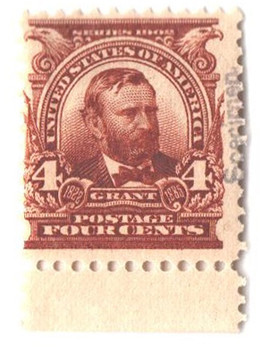
1902 2c Washington, Carmine, Specimen
$140.00
Share:
Own Scarce 2¢ Washington Specimen Stamp
Specimen stamps are essentially sample stamps provided by postal authorities to other postal administrations, government agencies, or stamp dealers. Their primary purpose was to serve as a reference to identify the designs, denominations, and security features of stamps. Often, the word “Specimen” is either overprinted on the stamp or incorporated into the design to clearly indicate that it is not valid for postage.
The tradition of issuing Specimen stamps dates back to the 19th century, a time when international communication was expanding, and postal authorities needed to stay informed about the stamps used by other nations. By receiving Specimen stamps, postal administrations could familiarize themselves with the appearance of foreign stamps, helping to prevent forgeries and fraudulent use.
Specimen stamps were also used for educational purposes, serving as tools in training postal workers. In some cases, they were even displayed at international stamp exhibitions, showcasing a country’s postal achievements to a global audience.
Unlike regular postage stamps, Specimen stamps were often produced in limited quantities, making them rarer and more sought-after. Their specialized nature and the stories they carry add an extra layer of depth to a collection, connecting the collector to the historical context in which these stamps were created.
Today, Specimen stamps are cherished not only for their rarity but also for their role in preserving the integrity of postal services during a pivotal time in history. They serve as a reminder of the global connections that stamps have always represented, bridging cultures and nations through the simple yet powerful act of communication.
For collectors interested in expanding their horizons, Specimen stamps offer a pathway into a less-traveled yet richly rewarding area of philately. Whether you’re drawn to their historical significance, rarity, or distinctive designs, adding Specimen stamps to your collection can be a gratifying way to explore the depth and diversity of the stamp world.
Specimen stamps are more than just samples; they are artifacts that tell the story of global postal history. Their rarity, historical significance, and unique designs make them a coveted part of any collection. Whether you’re a seasoned collector or just beginning your philatelic journey, Specimen stamps offer a fascinating window into the world of stamps—a world where every piece, even those never intended for postage, holds a piece of history.
U.S. #301
This stamp is part of the Series of 1902-03. The 2¢ Carmine Washington stamp was issued on January 1, 1903. About 3,261,541,426 of these stamps were produced by the Bureau of Engraving and Printing. The small “Specimen” on the stamp is a Type E.
When stamp experts saw the beautiful proofs of this stamp in black, they agreed this was the finest they had ever seen.
The portrait is based on a painting by Gilbert Stuart. Washington’s portrait is draped by American flags, which was the first time the banners had appeared on a US stamp since the 1869 Pictorials. After viewing the proofs, prominent newspapers described the stamp as “the finest postage stamp ever produced.”
Unfortunately, when the actual stamp was printed in red, the result was considered disappointing. Some copies were so poor they were mistaken for counterfeits. The stamp was redesigned and issued with shields replacing the flags. US #301 is commonly known as the “flag” stamp, while redesigned #319 and the imperforate #320 are known as the “shield” stamps.
Series of 1902-03
In 1902, the Postmaster General commissioned an entirely new series of general issues. Until this time, the current regular issues had been in use since 1890 with relatively few changes.
The ornate new designs, however, were not the only addition to the 1902 series. The 13-cent denomination was added, and two new faces were introduced – Benjamin Harrison and Admiral David Farragut. For the first time in postal history, an American woman was honored.
A slight change was also made in the format. Each stamp in this series bears the inscription, “Series 1902.” This caused some concern abroad, as many European philatelists wondered whether the US was planning on issuing new stamps each year. Many of the stamps, however, did not even reach post offices until 1903, and the next general issues were not produced until 1908.
Own Scarce 2¢ Washington Specimen Stamp
Specimen stamps are essentially sample stamps provided by postal authorities to other postal administrations, government agencies, or stamp dealers. Their primary purpose was to serve as a reference to identify the designs, denominations, and security features of stamps. Often, the word “Specimen” is either overprinted on the stamp or incorporated into the design to clearly indicate that it is not valid for postage.
The tradition of issuing Specimen stamps dates back to the 19th century, a time when international communication was expanding, and postal authorities needed to stay informed about the stamps used by other nations. By receiving Specimen stamps, postal administrations could familiarize themselves with the appearance of foreign stamps, helping to prevent forgeries and fraudulent use.
Specimen stamps were also used for educational purposes, serving as tools in training postal workers. In some cases, they were even displayed at international stamp exhibitions, showcasing a country’s postal achievements to a global audience.
Unlike regular postage stamps, Specimen stamps were often produced in limited quantities, making them rarer and more sought-after. Their specialized nature and the stories they carry add an extra layer of depth to a collection, connecting the collector to the historical context in which these stamps were created.
Today, Specimen stamps are cherished not only for their rarity but also for their role in preserving the integrity of postal services during a pivotal time in history. They serve as a reminder of the global connections that stamps have always represented, bridging cultures and nations through the simple yet powerful act of communication.
For collectors interested in expanding their horizons, Specimen stamps offer a pathway into a less-traveled yet richly rewarding area of philately. Whether you’re drawn to their historical significance, rarity, or distinctive designs, adding Specimen stamps to your collection can be a gratifying way to explore the depth and diversity of the stamp world.
Specimen stamps are more than just samples; they are artifacts that tell the story of global postal history. Their rarity, historical significance, and unique designs make them a coveted part of any collection. Whether you’re a seasoned collector or just beginning your philatelic journey, Specimen stamps offer a fascinating window into the world of stamps—a world where every piece, even those never intended for postage, holds a piece of history.
U.S. #301
This stamp is part of the Series of 1902-03. The 2¢ Carmine Washington stamp was issued on January 1, 1903. About 3,261,541,426 of these stamps were produced by the Bureau of Engraving and Printing. The small “Specimen” on the stamp is a Type E.
When stamp experts saw the beautiful proofs of this stamp in black, they agreed this was the finest they had ever seen.
The portrait is based on a painting by Gilbert Stuart. Washington’s portrait is draped by American flags, which was the first time the banners had appeared on a US stamp since the 1869 Pictorials. After viewing the proofs, prominent newspapers described the stamp as “the finest postage stamp ever produced.”
Unfortunately, when the actual stamp was printed in red, the result was considered disappointing. Some copies were so poor they were mistaken for counterfeits. The stamp was redesigned and issued with shields replacing the flags. US #301 is commonly known as the “flag” stamp, while redesigned #319 and the imperforate #320 are known as the “shield” stamps.
Series of 1902-03
In 1902, the Postmaster General commissioned an entirely new series of general issues. Until this time, the current regular issues had been in use since 1890 with relatively few changes.
The ornate new designs, however, were not the only addition to the 1902 series. The 13-cent denomination was added, and two new faces were introduced – Benjamin Harrison and Admiral David Farragut. For the first time in postal history, an American woman was honored.
A slight change was also made in the format. Each stamp in this series bears the inscription, “Series 1902.” This caused some concern abroad, as many European philatelists wondered whether the US was planning on issuing new stamps each year. Many of the stamps, however, did not even reach post offices until 1903, and the next general issues were not produced until 1908.
Related Items


#300-13
1902-03 Regular Issues, Double Line Watermark, Perf. 12, Complete Set of 14 Stamps
$1,050.00 - $6,750.00


Most Orders Ship
within 1 Business Day
90 Day Return Policy
Satisfaction Guaranteed
Earn Reward Points
for FREE Stamps & More