

Zoom the image with the mouse
#94-98
1911-23 India
$11.00
Share:
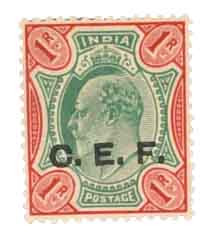
This set of five high value stamps was part of a new definitive series introduced for British India following the coronation of King George V, who ascended to the throne in 1910 and was formally proclaimed Emperor of India at the Delhi Durbar held on December 12, 1911. The design placed a portrait of the King at center, surrounded by an ornate border featuring elephants and their riders, a motif chosen to reflect the imperial character of British rule in India. As an avid stamp collector himself, George V reportedly took a personal interest in approving the designs used across his various territories during this period, including this more elaborate India series.
The higher denominations in this set, ranging from 2 rupees up to 25 rupees, served primarily for revenue and registered mail purposes rather than everyday postage, since ordinary letters required only a fraction of a rupee to send. India's postal service processed an enormous volume of mail across the subcontinent during this period, and lower value stamps handled the bulk of that everyday correspondence, while these higher denominations covered specialized administrative and commercial needs. The intricate elephant and rider imagery framing the King's portrait distinguished these high values from the comparatively simpler designs used on lower denomination stamps of the same series.
This series remained in use through the early 1920s, spanning a period of significant political change in India as calls for self governance grew louder across the subcontinent. The stamps offer collectors a striking example of the ornate imperial design work characteristic of early twentieth century British colonial issues, produced during the final decades before India's eventual path toward independence began to take clearer shape.
This set of five high value stamps was part of a new definitive series introduced for British India following the coronation of King George V, who ascended to the throne in 1910 and was formally proclaimed Emperor of India at the Delhi Durbar held on December 12, 1911. The design placed a portrait of the King at center, surrounded by an ornate border featuring elephants and their riders, a motif chosen to reflect the imperial character of British rule in India. As an avid stamp collector himself, George V reportedly took a personal interest in approving the designs used across his various territories during this period, including this more elaborate India series.
The higher denominations in this set, ranging from 2 rupees up to 25 rupees, served primarily for revenue and registered mail purposes rather than everyday postage, since ordinary letters required only a fraction of a rupee to send. India's postal service processed an enormous volume of mail across the subcontinent during this period, and lower value stamps handled the bulk of that everyday correspondence, while these higher denominations covered specialized administrative and commercial needs. The intricate elephant and rider imagery framing the King's portrait distinguished these high values from the comparatively simpler designs used on lower denomination stamps of the same series.
This series remained in use through the early 1920s, spanning a period of significant political change in India as calls for self governance grew louder across the subcontinent. The stamps offer collectors a striking example of the ornate imperial design work characteristic of early twentieth century British colonial issues, produced during the final decades before India's eventual path toward independence began to take clearer shape.
Related Items

Save Up To 50%


Most Orders Ship
within 1 Business Day
90 Day Return Policy
Satisfaction Guaranteed
Earn Reward Points
for FREE Stamps & More